
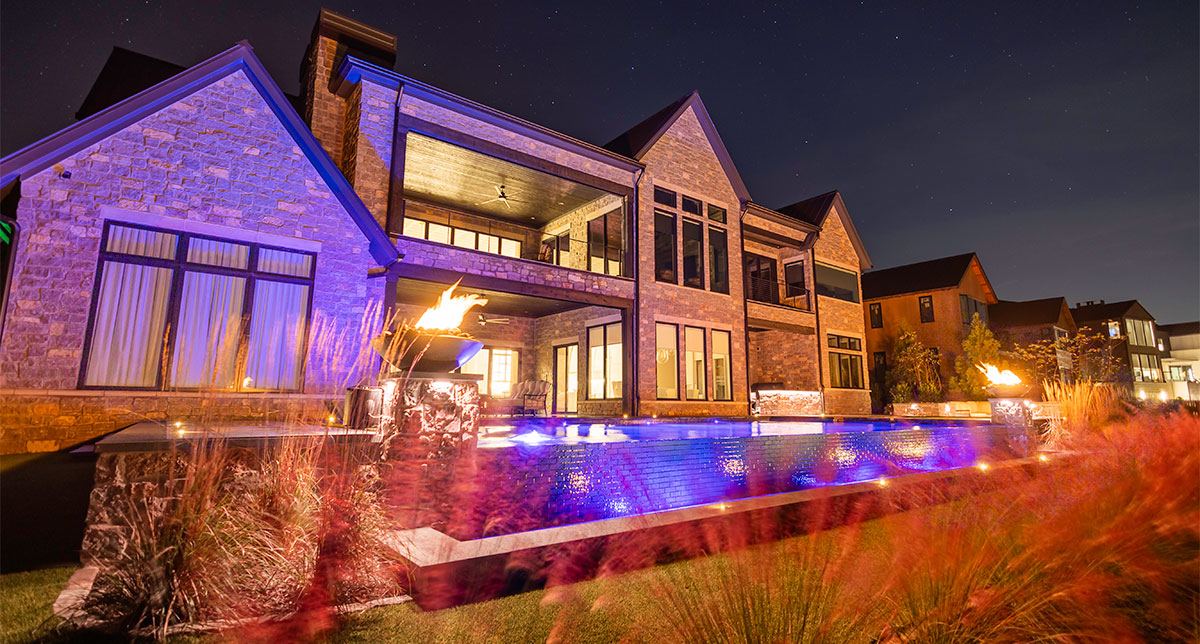
When the sun sets over Middle Tennessee, your outdoor living space shouldn’t disappear into the shadows. Installing backyard lights can completely transform the atmosphere of your property, turning a dark lawn into a functional, glowing sanctuary. Whether you’re looking for a quiet midnight retreat or a vibrant hub for hosting friends, the right lighting brings both safety and sophisticated beauty to your home’s exterior.
Why Quality Backyard Lighting Matters
Outdoor lighting is about more than just visibility; it is the art of setting a mood. A well-designed plan highlights the natural features of your landscape, draws the eye toward architectural details, and makes your property feel significantly more secure.
Without strategic placement, even the most stunning yard can feel cold and unwelcoming after dark. Beyond aesthetics, installing backyard lights is a practical investment that increases the usability of your square footage. It allows for:
-
Atmosphere & Mood: Strategic lighting sets the tone, creating an inviting environment that pulls guests outside.
-
Highlighting Aesthetics: Lighting can accentuate the natural textures of your stone walls, the height of your oaks, or the unique architectural details of your home.
-
Security & Safety: A well-lit yard is a major deterrent for intruders and provides clear visibility for children and pets playing after dark.
Without a thoughtful backyard lighting installation, even the most beautiful landscape feels unusable once night falls. Investing in quality fixtures ensures you get the most out of your square footage, 24 hours a day.
Planning Your Backyard Lighting Installation
Before you begin installing backyard lights, it is essential to define the “zones” of your yard. Different areas require different techniques to create a cohesive look:
-
Patios & Pergolas: Use string lights or lanterns for a festive, soft glow that encourages conversation.
-
Walkways & Stairs: Low-level path lights and recessed deck lighting are vital for guiding guests safely and preventing trips.
-
Specimen Trees & Features: Use spotlights to “uplight” focal points like fountains, sculptures, or garden beds.
-
Security Zones: Wall-mounted fixtures near doorways and fences provide bright, functional light where you need it most.
Choosing the Right Lighting for Your Backyard
Before installing anything, it’s important to decide on the purpose of your lighting. Start by thinking about the areas you want to highlight. Do you need soft lighting around a seating area? Do you want to light a pathway for safety? Are there trees, fountains, or garden beds that deserve special attention?
The type of lights you choose depends on your goals. String lights add a festive glow and are perfect for patios or pergolas. Spotlights can shine on trees or sculptures, while low-level path lights guide guests through walkways. Wall-mounted fixtures help brighten doorways or fences. Deck and stair lights offer subtle illumination to prevent trips and falls. Mixing different lighting styles brings depth and personality to your yard.
Planning Your Backyard Lighting Layout
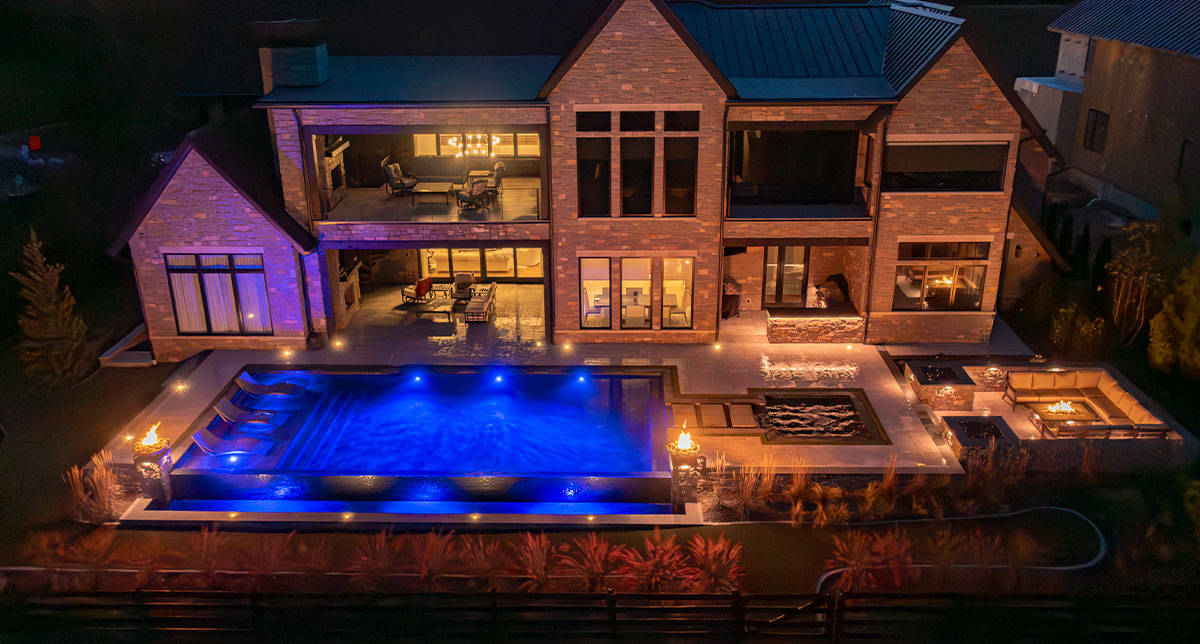
A thoughtful layout makes all the difference when installing backyard lights. Think of your yard as a series of zones, each serving a different purpose. Lighting should match the function of each area while maintaining an overall flow. For example, your patio may need ambient lighting, while a nearby garden could use accent lights to highlight plants or decor.
It also helps to walk through your yard at night to see where shadows fall. Notice areas that feel too dark or hard to navigate. This gives you insight into where lighting is most needed. It’s not about flooding the space with brightness, it’s about creating balance and visibility without overwhelming the senses.
Wiring and Power Options
When it comes to powering your backyard lights, you have a few choices. Solar-powered lights are easy to install and require no wiring, making them ideal for quick updates or remote areas. Battery-powered options also offer flexibility but may require frequent maintenance.
Low-voltage wired systems are a popular choice for homeowners looking for long-term performance. They offer reliable light and can be connected to a transformer for safe, efficient power distribution. While these systems require a bit more planning and installation work, they provide lasting results that are easy to control and expand.
For more advanced features, smart lighting systems can be connected to timers, motion sensors, or mobile apps. These tools make it easy to set schedules, adjust brightness, or turn lights on and off remotely.
Hiring a Professional vs. DIY
Some backyard lighting projects are simple enough to tackle on your own. Plug-in string lights, solar stakes, and battery lanterns can be added in minutes. But if your design includes buried wires, hardwired fixtures, or a large number of lights, it may be worth bringing in a professional.
Working with an expert ensures your system is installed safely and follows local electrical codes. A lighting contractor can help design a layout, recommend the right products, and ensure everything works correctly from the start. You’ll also have peace of mind knowing the system is built to last.
Work with a Professional Landscape Lighting Designer
While DIY kits exist, achieving a seamless, elegant look often requires a professional touch. A landscape lighting designer understands how to hide wires, choose the correct voltage, and position fixtures to avoid “light pollution” or glare that shines into your windows. By professionally installing backyard lights, you ensure a durable, weather-resistant system that enhances your home for years to come.
Maintaining Your Backyard Lighting
Once your lights are installed, a little routine care will help them stay bright and functional. Keep fixtures clean by wiping away dirt, leaves, and cobwebs. Check for burnt-out bulbs or loose connections and fix them as needed. Trim back bushes or trees that might block the light or create shadows where you don’t want them.
Over time, your lighting needs may change. You might decide to add more fixtures, swap in new styles, or upgrade to energy-efficient LEDs. Keeping your system flexible allows your lighting design to grow along with your lifestyle and preferences.
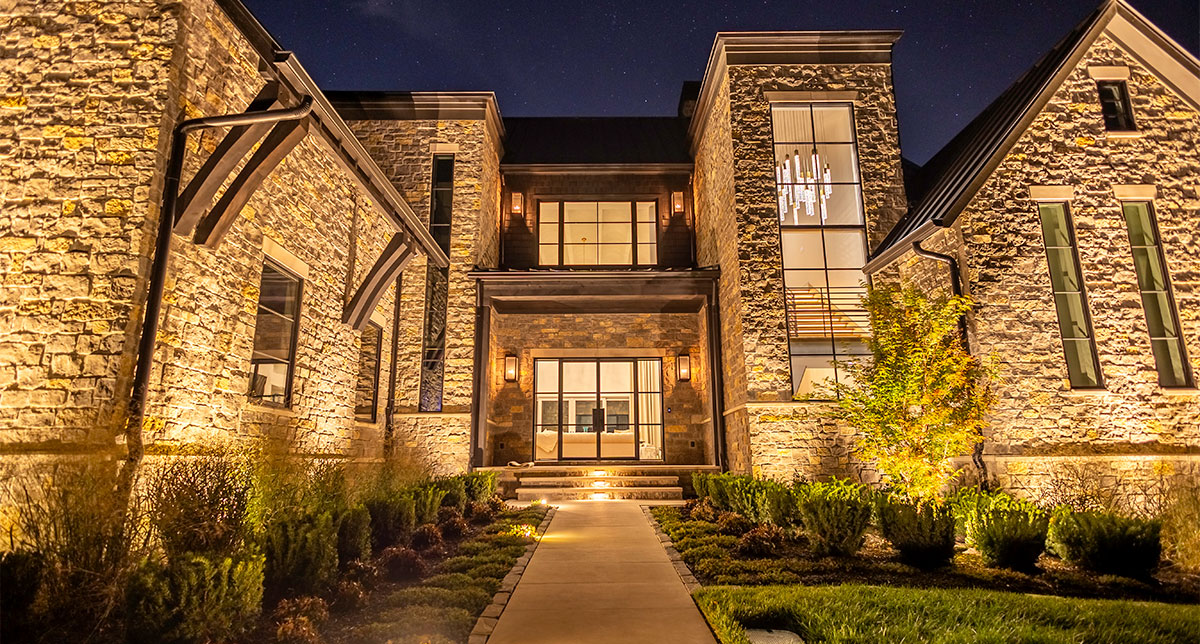
Outdoor lighting does more than serve a purpose; it helps shape the atmosphere. A softly lit garden path feels peaceful and calming. A well-lit patio invites conversation and connection. Even small touches, like lanterns hanging from trees or ground lights around flower beds, can make your yard feel like a retreat.
The key is to blend functionality with beauty. Too much lighting can feel harsh, while too little can leave areas unsafe or unused. Strike the right balance, and you’ll find yourself spending more time outside, enjoying your space in ways you hadn’t before.
A Brighter Backyard Starts Today
At Music City Outdoor Lighting, installing backyard lights is a simple but powerful way to make your outdoor space more inviting, functional, and secure. Whether you’re starting small or planning a full lighting system, the benefits are well worth the effort. Take time to understand your space, choose the right outdoor lighting solutions, and think about how you want your yard to feel after dark. The right setup can completely change how you experience your home, from the glow of a quiet evening on the porch to a festive backyard gathering that stretches long after sunset.
FAQs
What should I consider before installing backyard lights?
Start by thinking about how you use your backyard, whether for dining, relaxing, or entertaining. You’ll also want to consider lighting placement, brightness levels, and safety. A simple layout plan can help you visualize what works best.
Can I install backyard lights myself, or should I hire a professional?
Some lighting, like solar path lights or plug-in string lights, is easy to install on your own. For wired or more complex systems, hiring a professional ensures safety and proper setup, especially when dealing with underground cables or transformers.
What types of lights work best in a backyard?
Popular choices include string lights for ambiance, spotlights for focal points, path lights for walkways, and deck or step lights for added safety. The right mix can turn your backyard into a functional and inviting space after dark.
How should I plan a backyard lighting installation?
Start with the areas you use after dark, the features you want to highlight and any existing equipment. A property consultation helps define fixture placement, controls and the installation scope.
Do backyard lights need to be weatherproof?
Yes, always choose fixtures labeled weather-resistant or rated for outdoor use. These lights are built to handle rain, wind, and changes in temperature, ensuring long-lasting performance.
Can I control my backyard lights with a smart system?
Definitely. Many outdoor lighting systems can be connected to timers, motion sensors, or smart home apps. These tools let you customize brightness, automate schedules, and even control your lights remotely.