
Outdoor lighting makes it easier to enjoy evenings outside while also improving visibility and safety. It’s a practical way to add security, highlight key features, and get more use out of your yard after sunset. In this blog, we’ll walk through what you need to know about installing outdoor lighting, why it’s worth considering, and how to make the most of it.
Why People Choose to Install Outdoor Lighting
Most homeowners and property managers want their outdoor spaces to feel welcoming and functional, especially in the evening. Lighting helps with both. For starters, installing outdoor lighting adds visibility. That means it’s easier to see steps and pathways clearly, reducing the risk of accidents after dark. It also helps guests feel more comfortable during nighttime gatherings and adds security that keeps strangers away by making your property more visible from the street. On top of that, well-placed lighting can show off the best parts of your yard, like flower beds, trees, patios, or water features.
What Types of Outdoor Lighting Can You Install?
Pathway Lighting
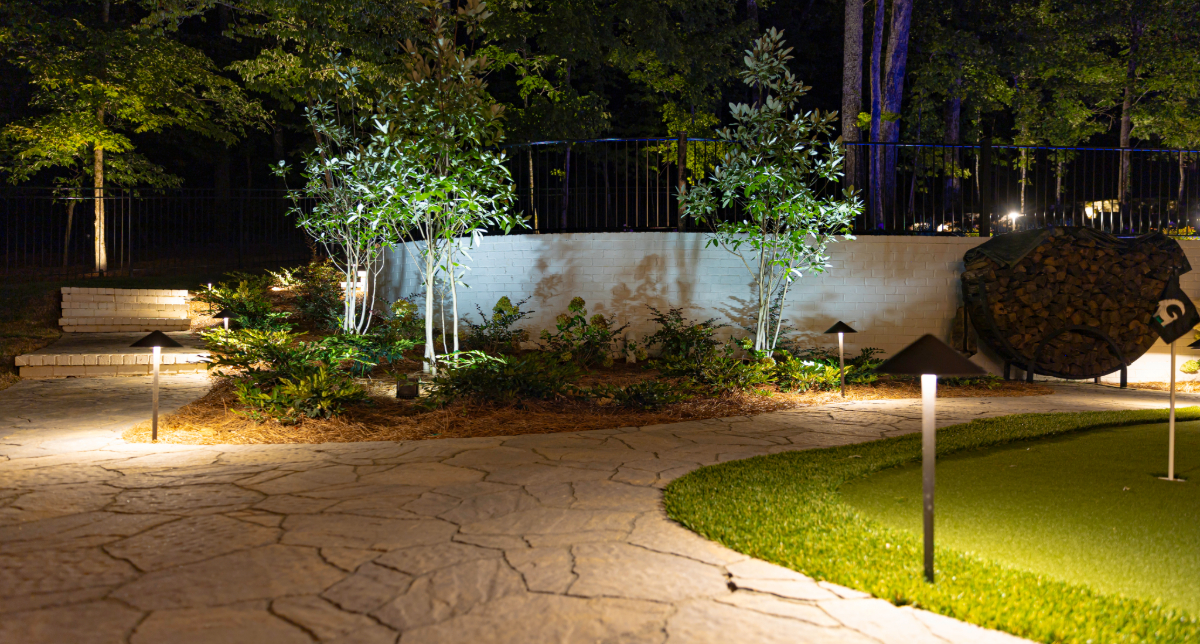
Pathway lighting is an essential element in any outdoor lighting system. These fixtures line walkways, driveways, and garden paths, offering both safety and stylish appeal. Not only do they illuminate the route to your front door, but they also make your landscape look inviting.
Floodlighting and Spotlights
Floodlights and spotlights are powerful tools to spotlight specific areas of your outdoor space. They’re often used for highlighting features like trees, fountains, or statues. If you’re looking to add drama and interest to your landscape, these lights are the way to go. Spotlights can also be used for security purposes, as they direct strong beams on specific areas when motion is detected.
Deck and Step Lighting
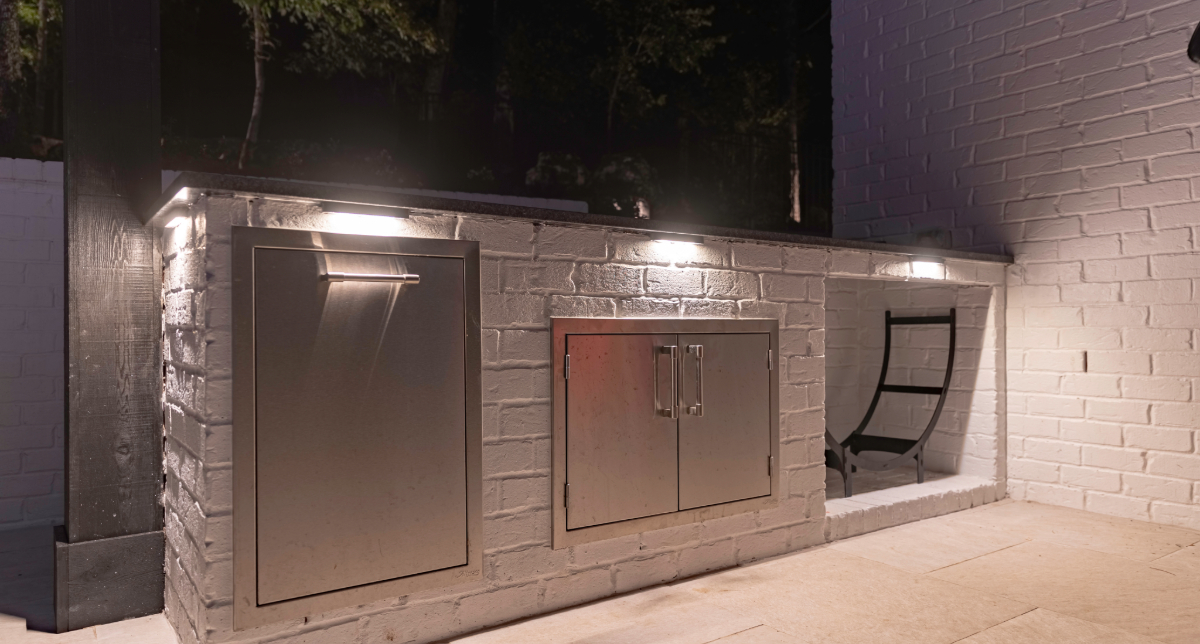
A key feature of many outdoor lighting systems is deck and step lighting. These low-profile lights are installed into decking, stairs, or railings to prevent slips and falls while increasing the visual appeal of your outdoor space. Deck lighting creates a soft, inviting glow that sets the mood for evening entertainment or relaxation.
Landscape Lighting
Landscape lighting is designed to highlight your garden beds, trees, shrubs, or other landscape elements. It can transform an ordinary garden into a stunning nighttime scene. Many homeowners use a combination of uplighting and downlighting to accentuate their plants and create unique shadows and effects.
Smart Lighting Systems
Technology has revolutionized how installing outdoor lighting works. Smart outdoor lighting systems allow you to control your lights remotely through your phone or voice commands. You can schedule your lights to turn on and off at specific times, adjust brightness, or even change colors to suit different occasions. This adds convenience, energy efficiency, and flexibility to your lighting setup.
Planning Before Installing Outdoor Lighting
Before you buy light fixtures, take a step back. Good lighting design starts with a plan. Walk around your property at night and think about where lights are needed most. Are your front steps too dark? Is your backyard hard to navigate in the evening? Are there areas you’d like to draw attention to, like a garden, tree, or sitting area? Once you’ve identified your goals, you can start thinking about fixture placement, brightness levels, and power sources. If your lighting will connect to your home’s electrical system, you may need to hire a licensed electrician. For smaller projects, solar or low-voltage systems can be installed without much technical knowledge.
How the Installation Process Works
The process of installing outdoor lighting depends on the type of lighting you choose and how your property is set up. For example, solar lights are the simplest; they don’t require wiring or digging. It is simply placing the stake in the ground and allowing sunlight to power it. These work well along walkways or in gardens, especially where there’s plenty of sunlight during the day. For wired lighting, especially if it involves high-voltage power, the process usually includes:
- Planning the layout: Mapping where each light will go, how they’ll be powered, and how they’ll connect.
- Running wires: Either underground or along walls, depending on the setup.
- Mounting fixtures: This includes installing wall lights, spotlights, or deck lights in the right places.
- Connecting to power: This should always be done by a licensed electrician for safety.
- Testing and adjusting: Once installed, the lights are tested at night to make sure they’re aimed correctly and not too bright or too dim.
Common Mistakes to Avoid
- Overlighting: Overlighting your outdoor space can take away its charm and may even annoy your neighbors. Softer, focused lights usually work best.
- Uneven spacing: Lights placed too close or far apart can create dark gaps or overly bright areas. Keep things balanced.
- Ignoring timers or controls: Without automation, you might forget to turn lights on or off. Use smart plugs, timers, or sensors to make life easier.
- Choosing the wrong color temperature: Stick to warm white (2700K–3000K) for a cozy feel. Cooler lights can make spaces look overly commercial.

Why Installing Outdoor Lighting is Worth It
Installing outdoor lighting doesn’t just make your home look nice. It helps you enjoy your yard more, keeps your family and guests safe, and even strangers. Relaxing on the patio, hosting a backyard dinner, or arriving home after dark, each moment feels more comfortable and secure with well-placed outdoor lighting.
Call us at 615-905-1905 or visit Music City Outdoor Lighting to learn more about your options and get started.
FAQs
Do I need a permit to go ahead with installing outdoor lighting?
In many cases, installing outdoor lighting do not require a permit, especially if you’re only using low-voltage lighting. However, it’s always a good idea to check with your local municipality to see if any permits are necessary, particularly if you plan to install high-voltage lighting or if your system requires significant electrical work.
What are the benefits of hiring a professional for installing outdoor lighting?
Hiring a professional for installing outdoor lighting ensures a well-done job. They have the expertise to design a lighting layout that fits your space, select the best lighting options, and install everything safely and efficiently. Professionals can also deal with any electrical issues and ensure your lighting system is functional and energy-efficient.
Will installing outdoor lighting increase my electricity bill?
Consider energy use when choosing an outdoor lighting system. LEDs consume less power and last longer than traditional bulbs, making them an ideal choice for outdoor lighting. Solar lights use sunlight to charge during the day.
How do I maintain my outdoor lighting system after installation?
Maintenance for outdoor lighting includes regular cleaning of the fixtures to remove dirt and debris, replacing burned-out bulbs, and checking that the wiring is in good condition. If your system is connected to a smart home system, ensure the software is updated. Professional installers can also provide maintenance services to ensure everything stays in working order.
Can outdoor lighting be installed in all weather conditions?
Installing outdoor lighting can generally be done during most weather conditions, but extreme weather, like heavy rain or snowstorms, might cause delays. Installers will typically schedule installations on days when the weather is favorable. Additionally, modern outdoor lighting systems are designed to withstand harsh weather conditions once installed.